
Cohort I · Hosted by Zephyr Power
Our first cohort. Where it started.
Six students. A grid station, solar arrays, mangroves planted by hand, and sessions on ghost nets and manta rays with Marine Conservation Pakistan and the Manta Trust.
01 · The Expedition
Clean energy and coastline, side by side
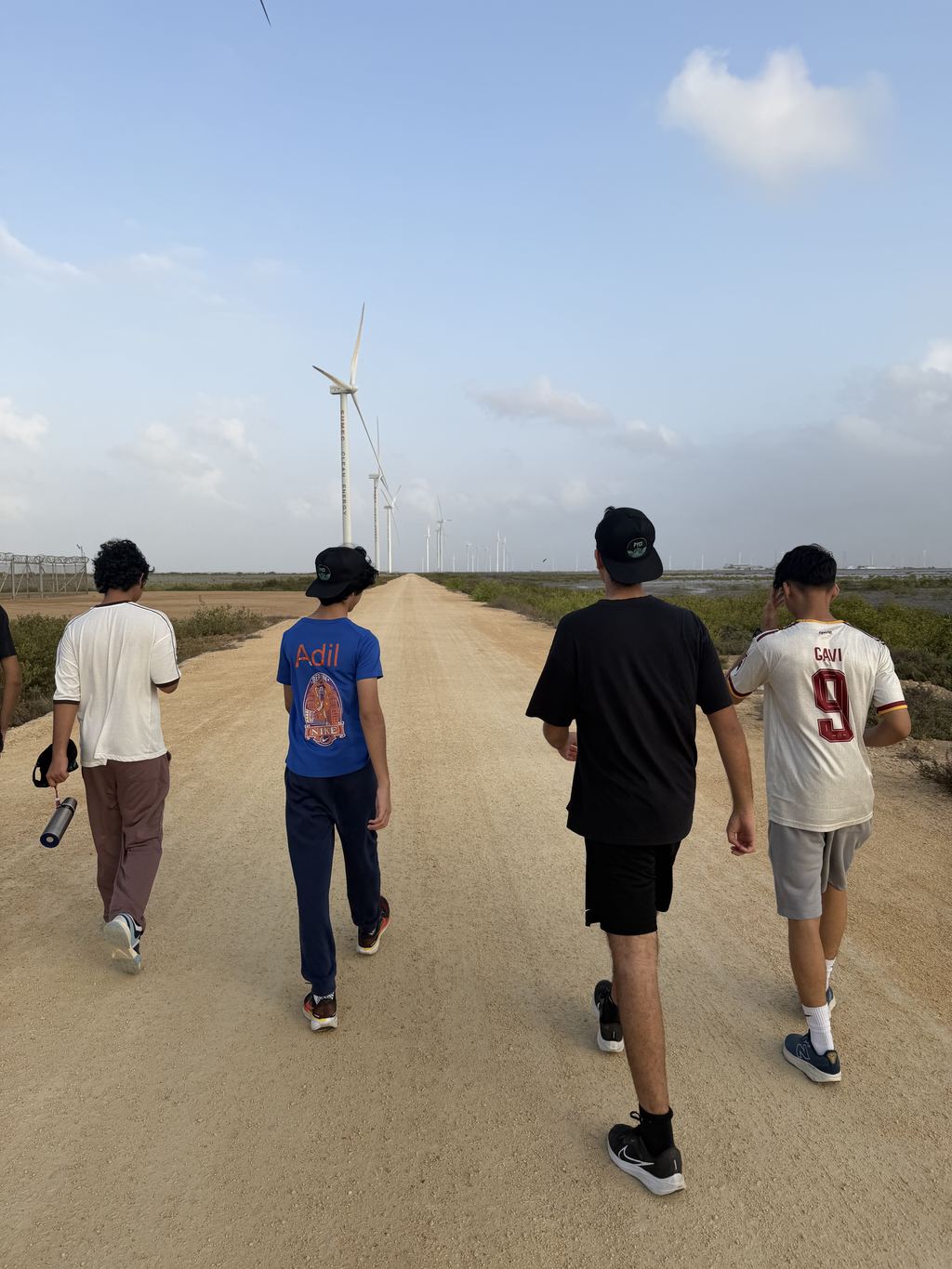
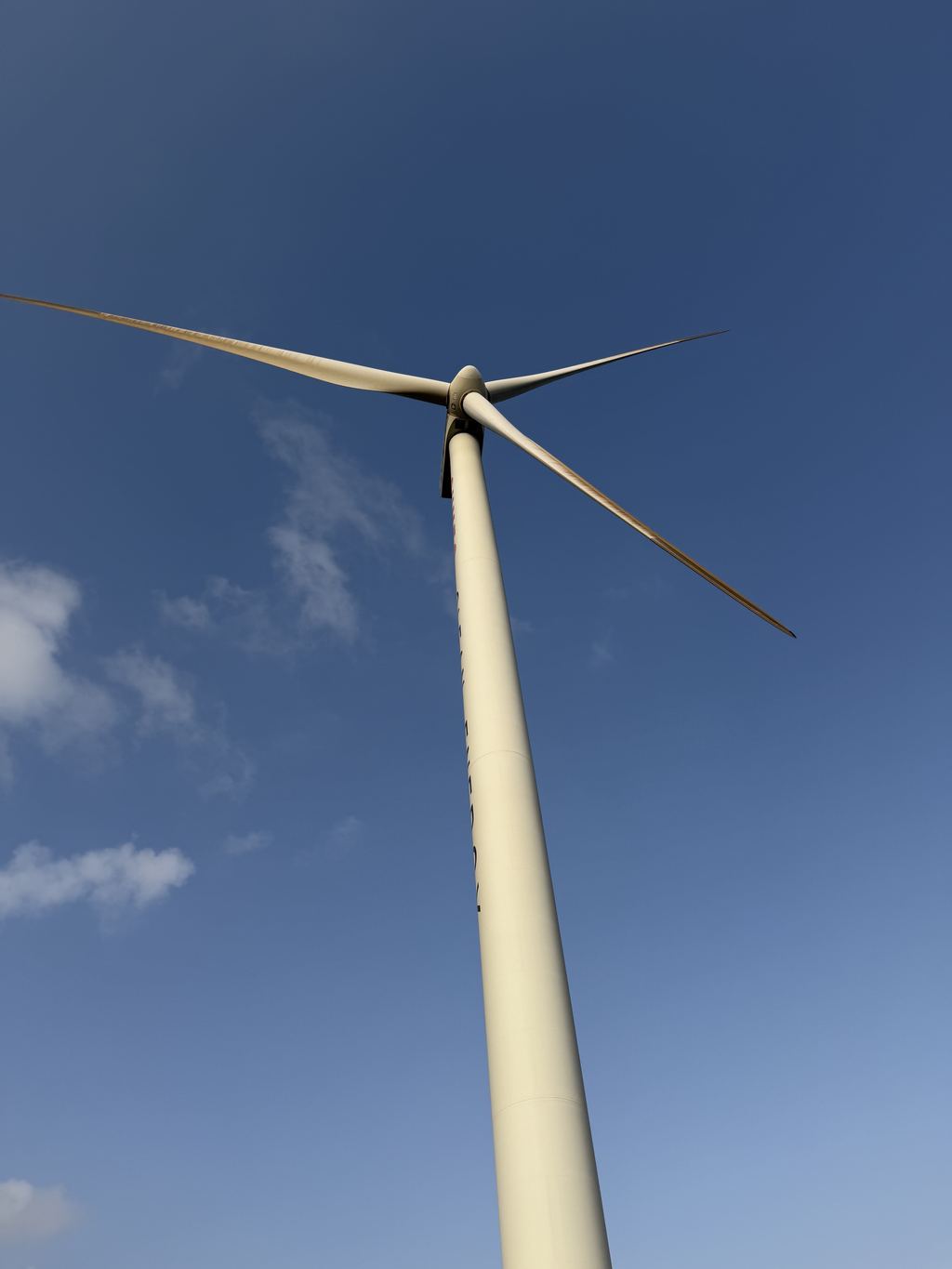
Pakistan's coast is where climate change, clean energy and marine life meet. For our first cohort, Zephyr Power hosted six students at the Zephyr Wind Power Plant in Sindh.
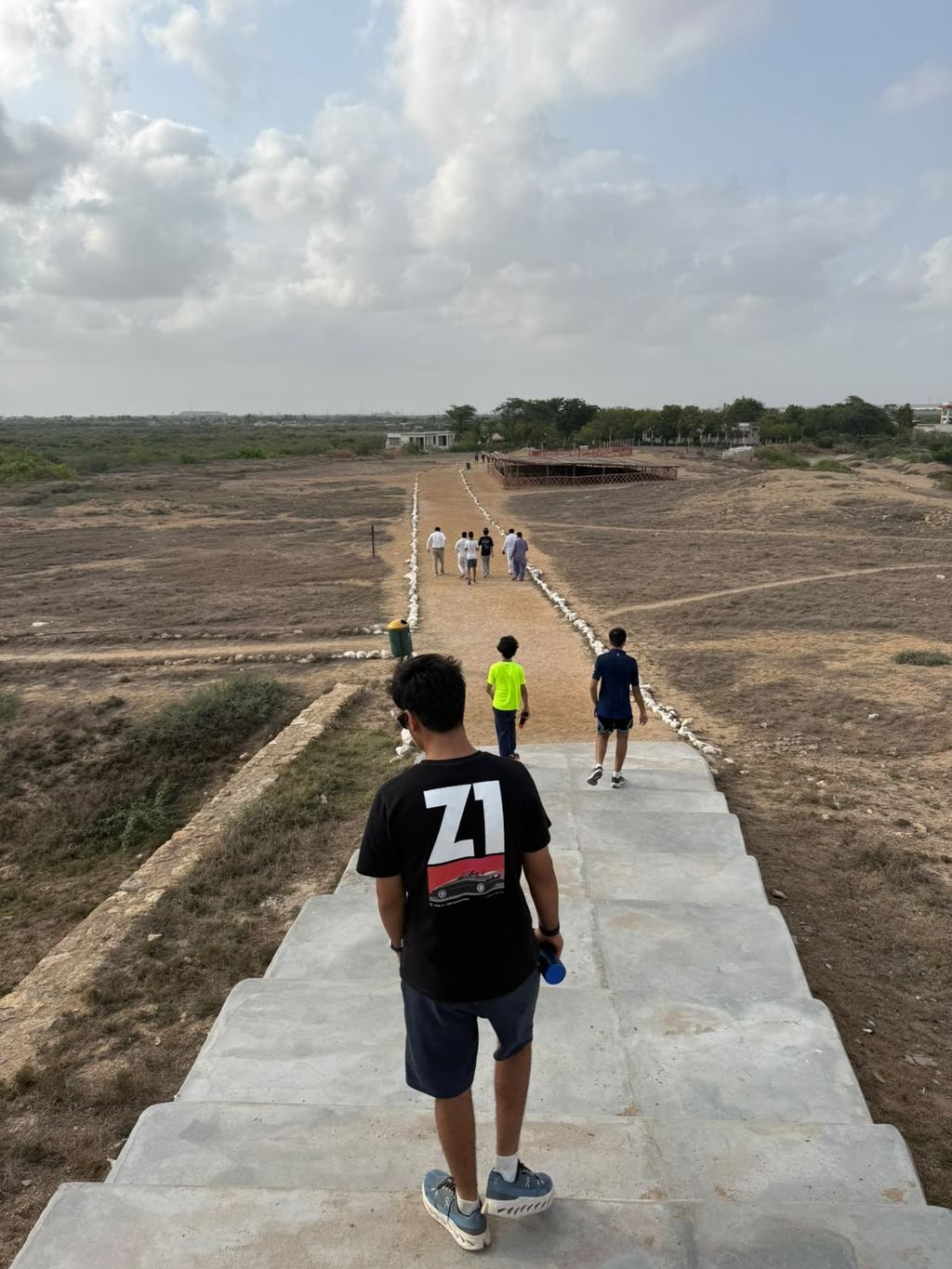
Students went from the grid station to the solar arrays, then out to a mangrove nursery and the mudflats to plant mangroves of their own. Back indoors, sessions on marine conservation in Pakistan, ghost nets with Marine Conservation Pakistan, and manta rays with the Manta Trust tied it all together.
The expedition was built around SDG 14 and the UNESCO Man and the Biosphere Programme.
6
Students selected
1st
Cohort of the institute
SDG 14
Life Below Water, at the heart of it
02 · Highlights
What we did
-
01 · Grid Station
Where the power goes
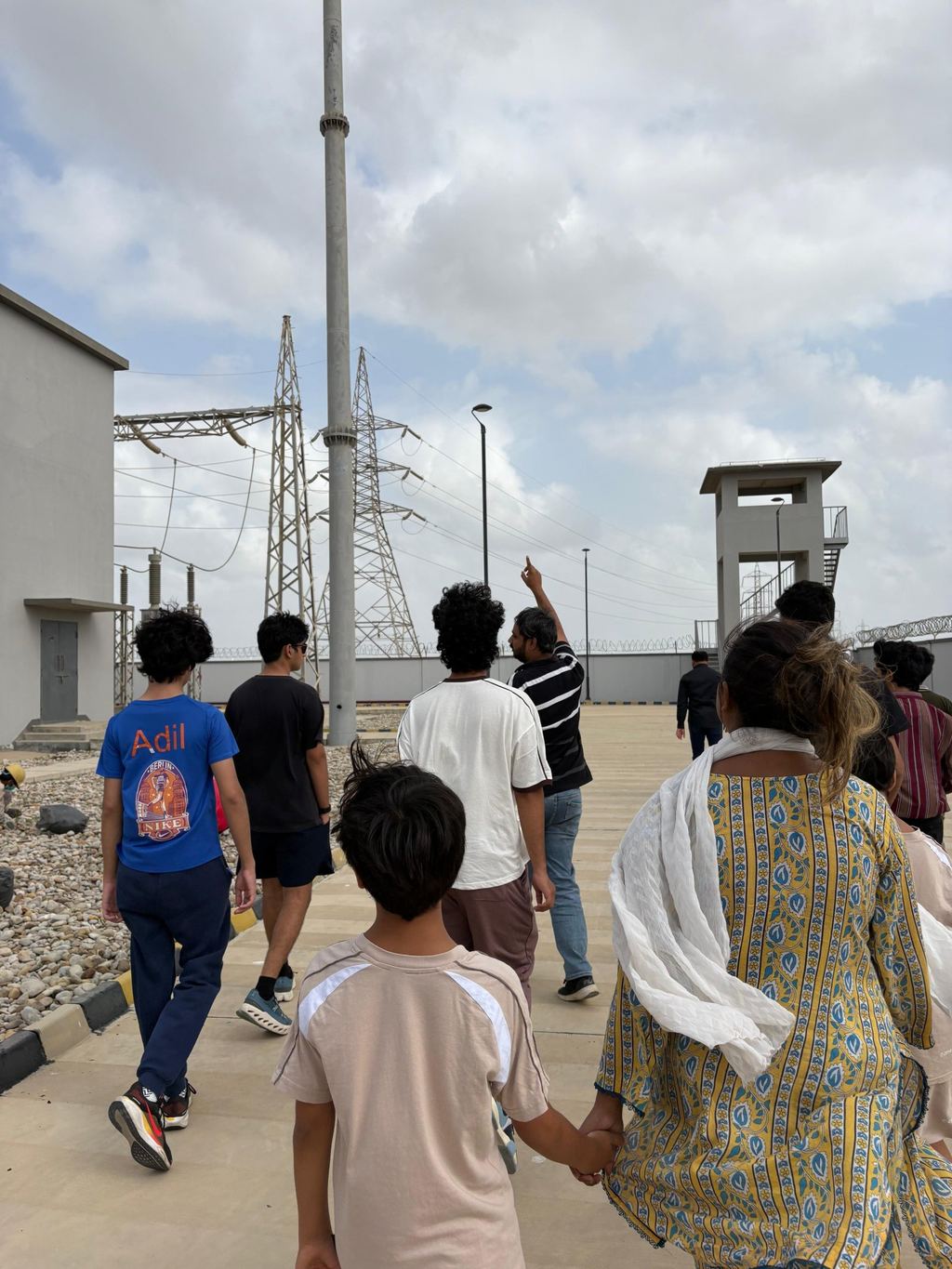
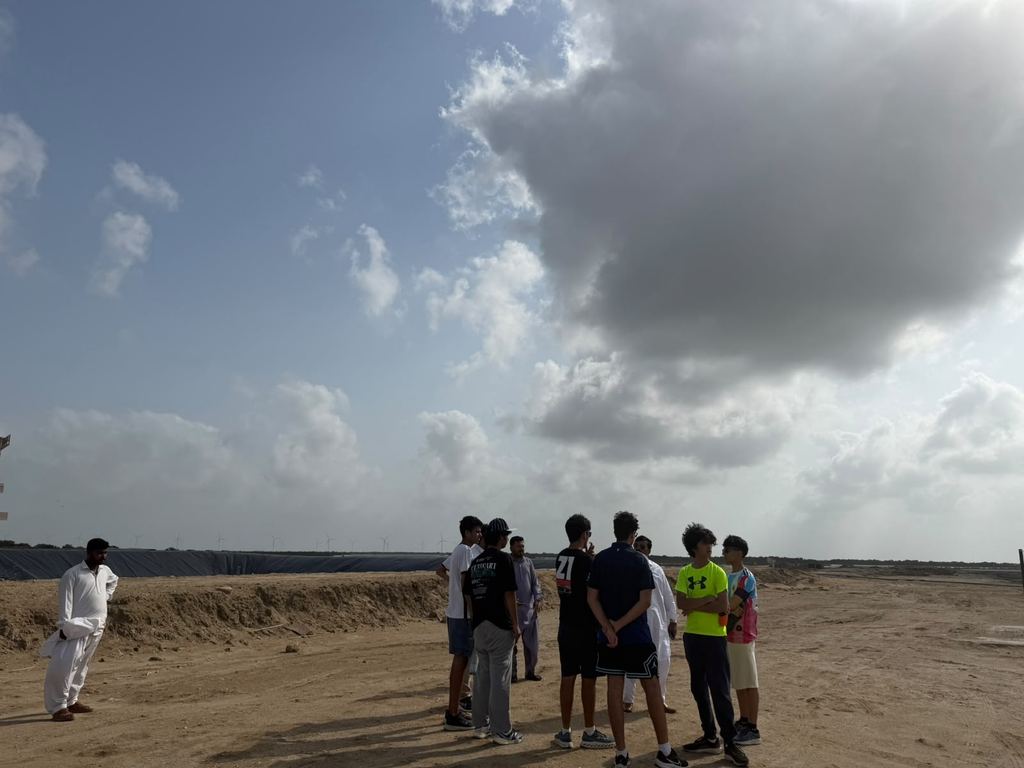
The tour started at the grid station, where the plant connects to the grid, with the team on site showing students around.
-
02 · Solar Arrays
Under the solar arrays
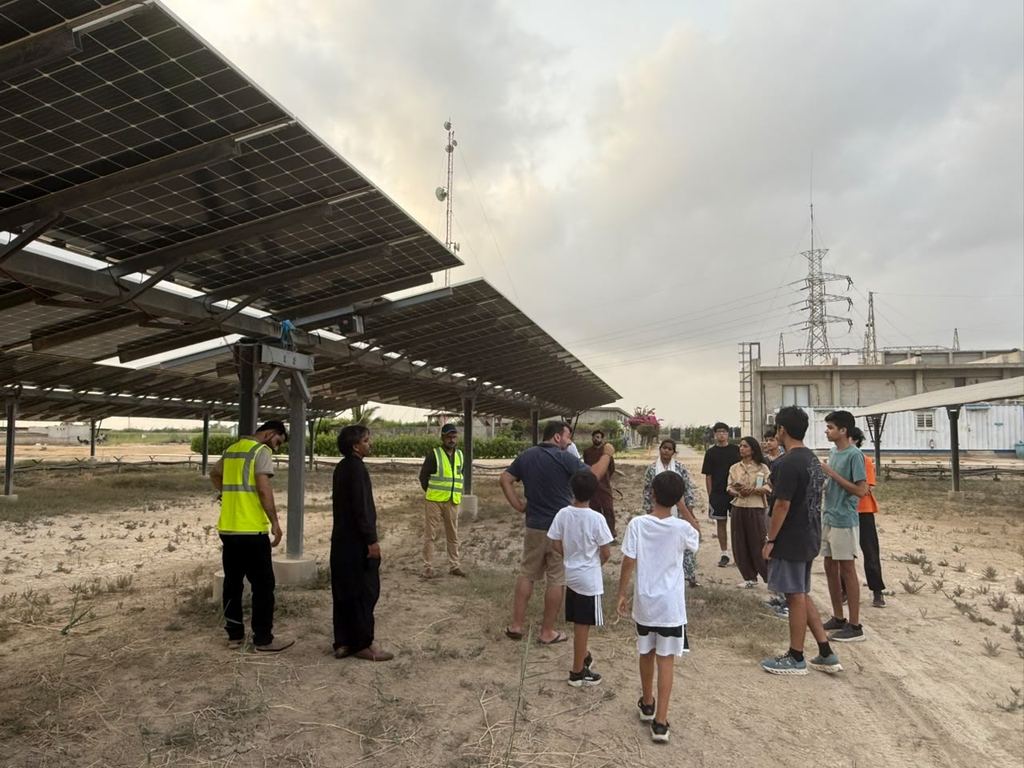
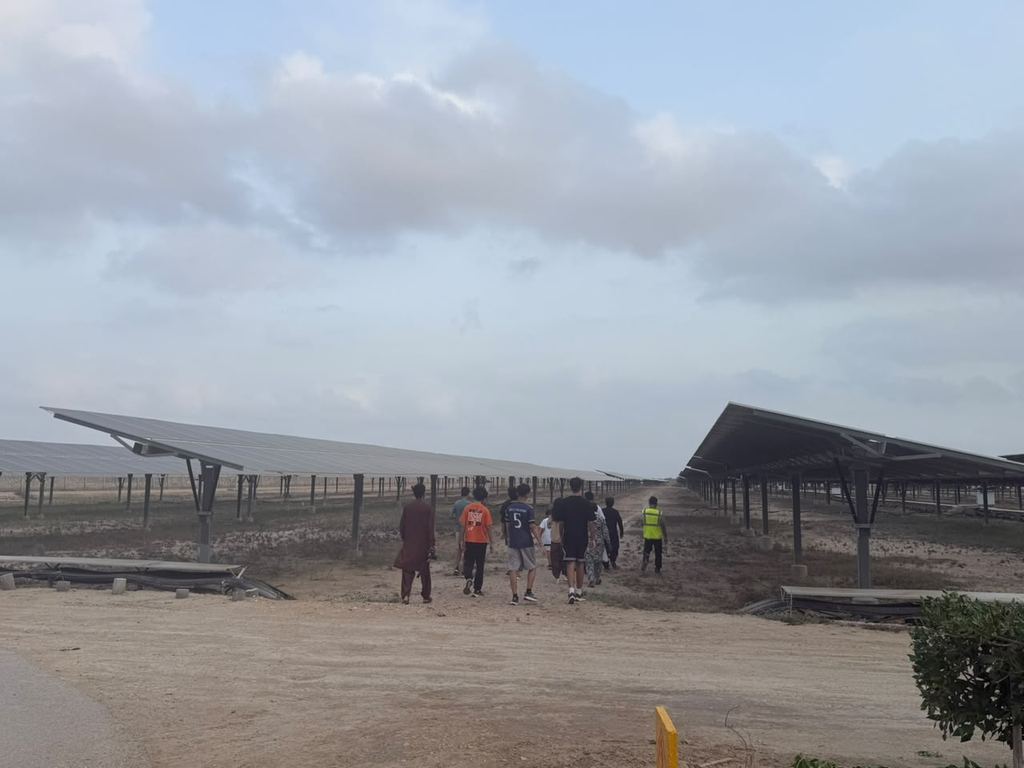
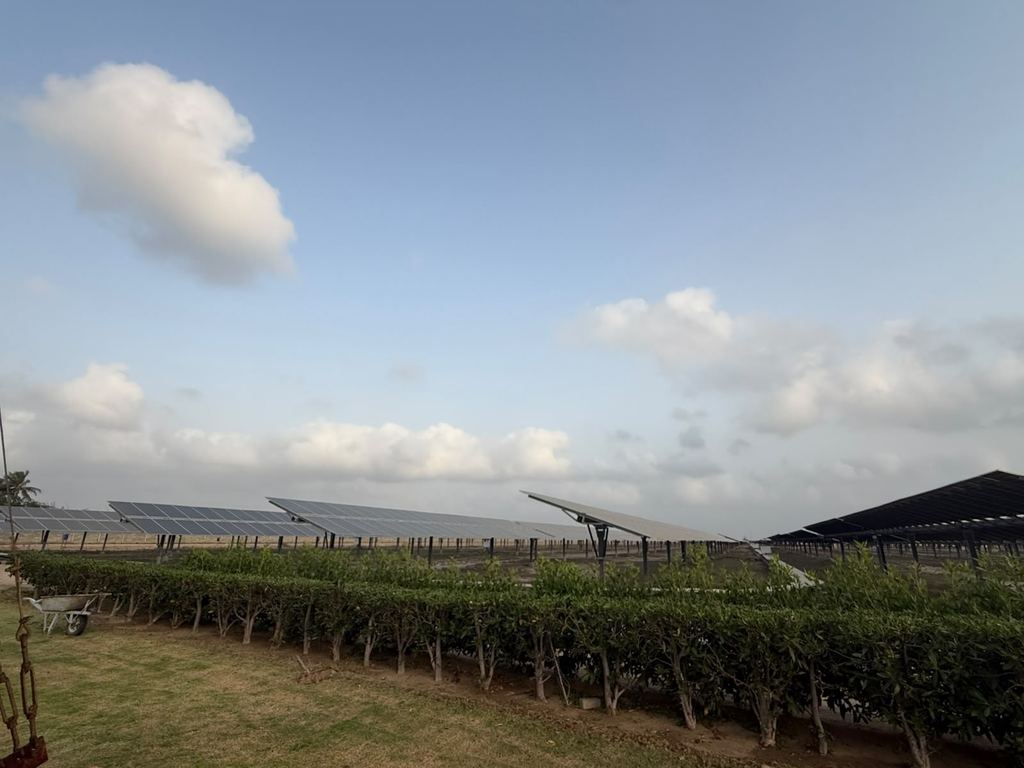
Next, students walked the rows of solar panels with the team on site.
-
03 · Mangrove Nursery
Where mangroves start
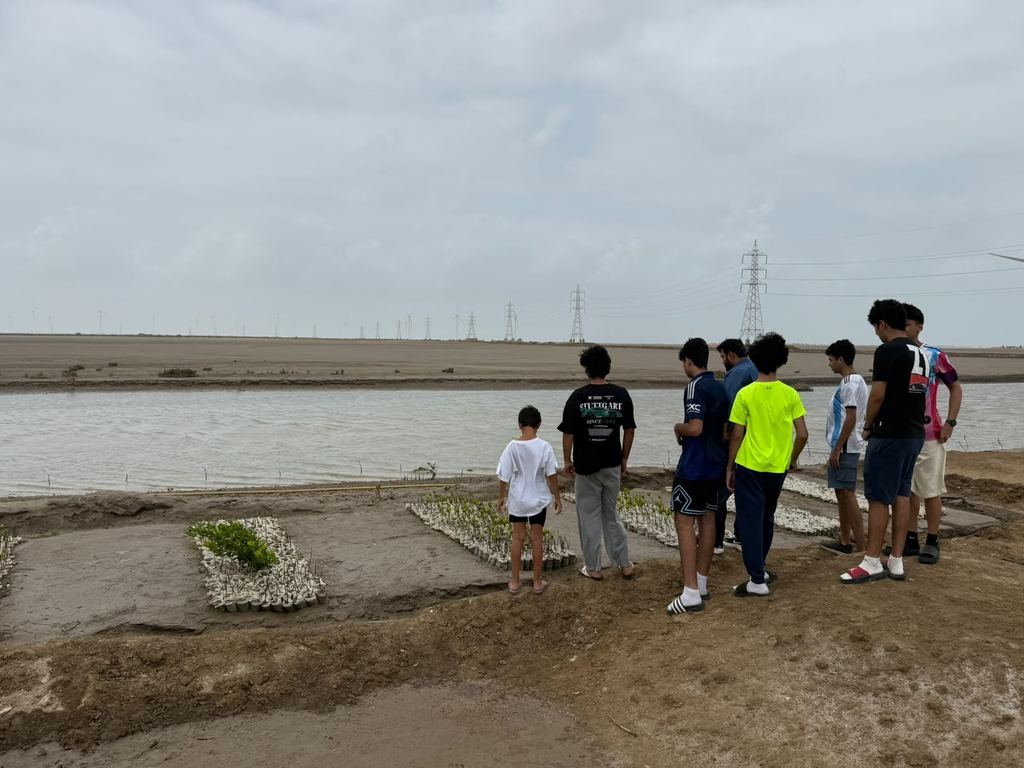
Beside the creek, students saw a mangrove nursery: beds of young saplings growing before they are planted out, with the turbines on the horizon.
-
04 · Planting
Into the mud
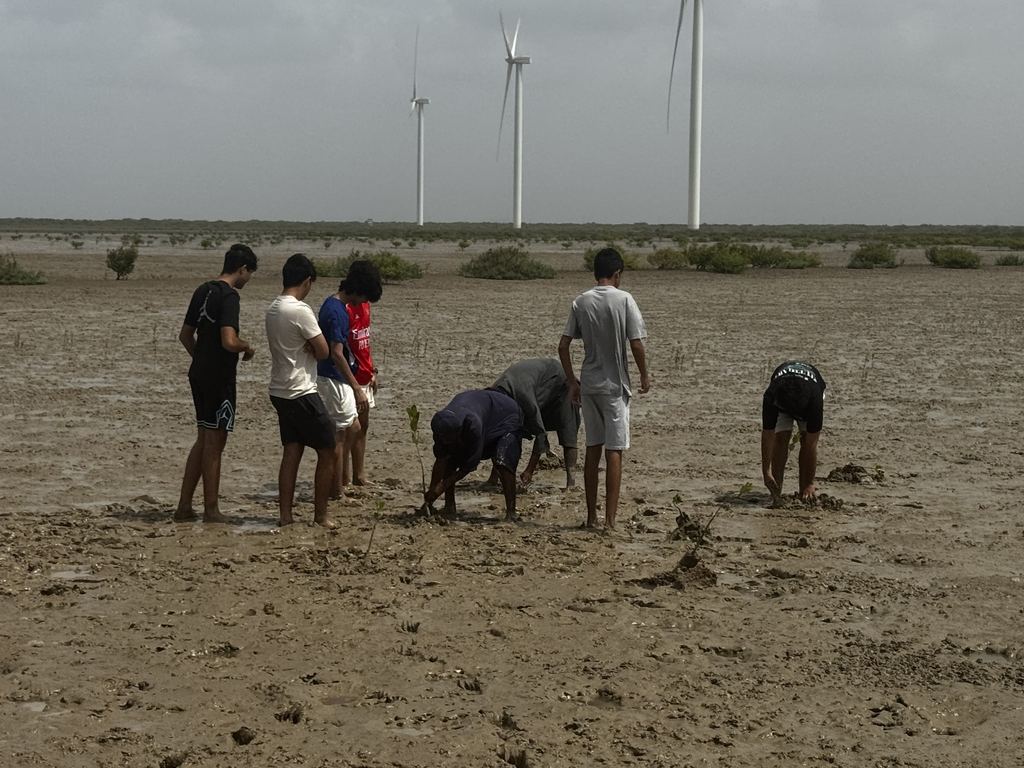
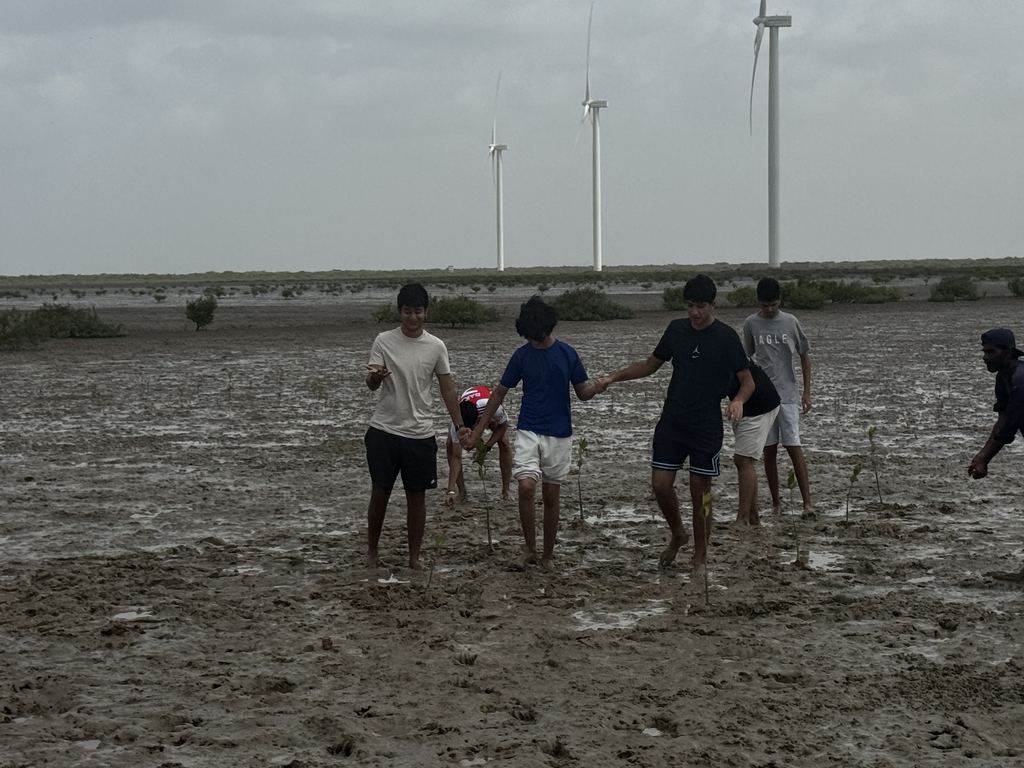
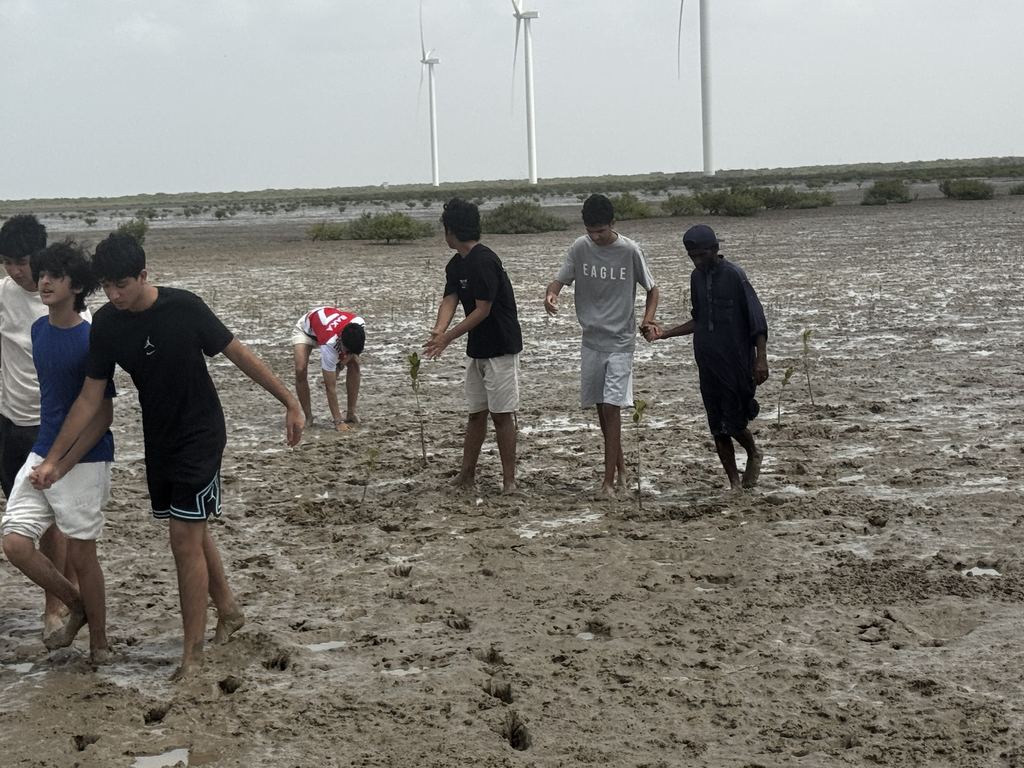
Then out into the mudflats. Students planted mangrove saplings by hand, right beside the wind farm.
-
05 · Session
Marine conservation in Pakistan
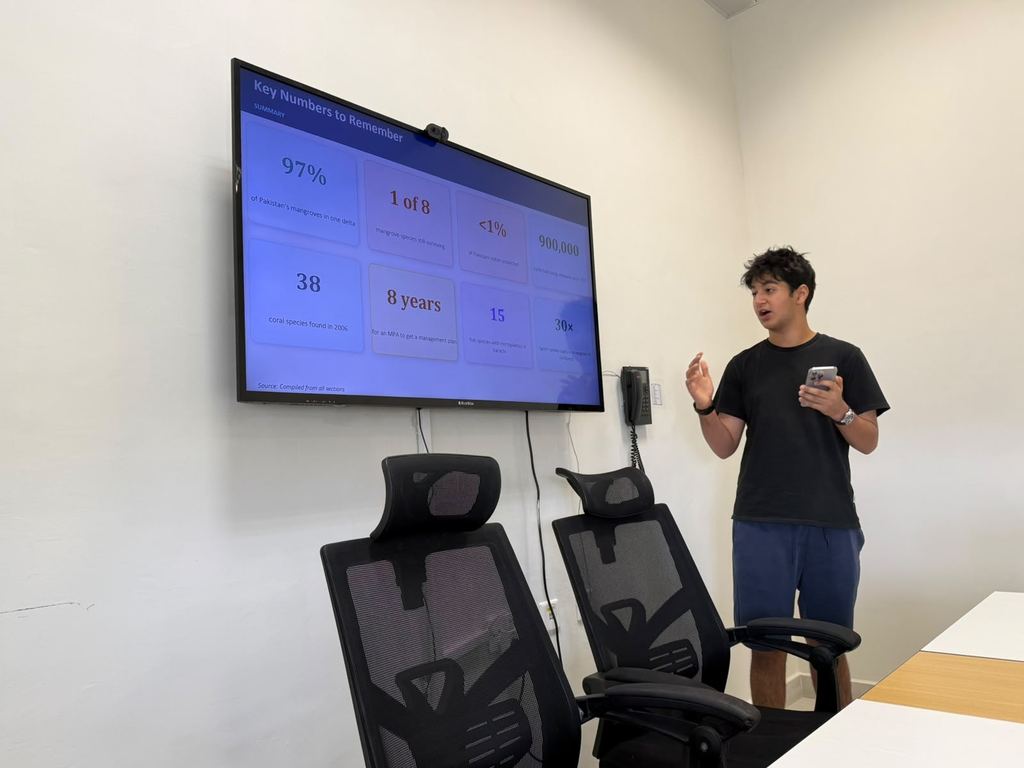
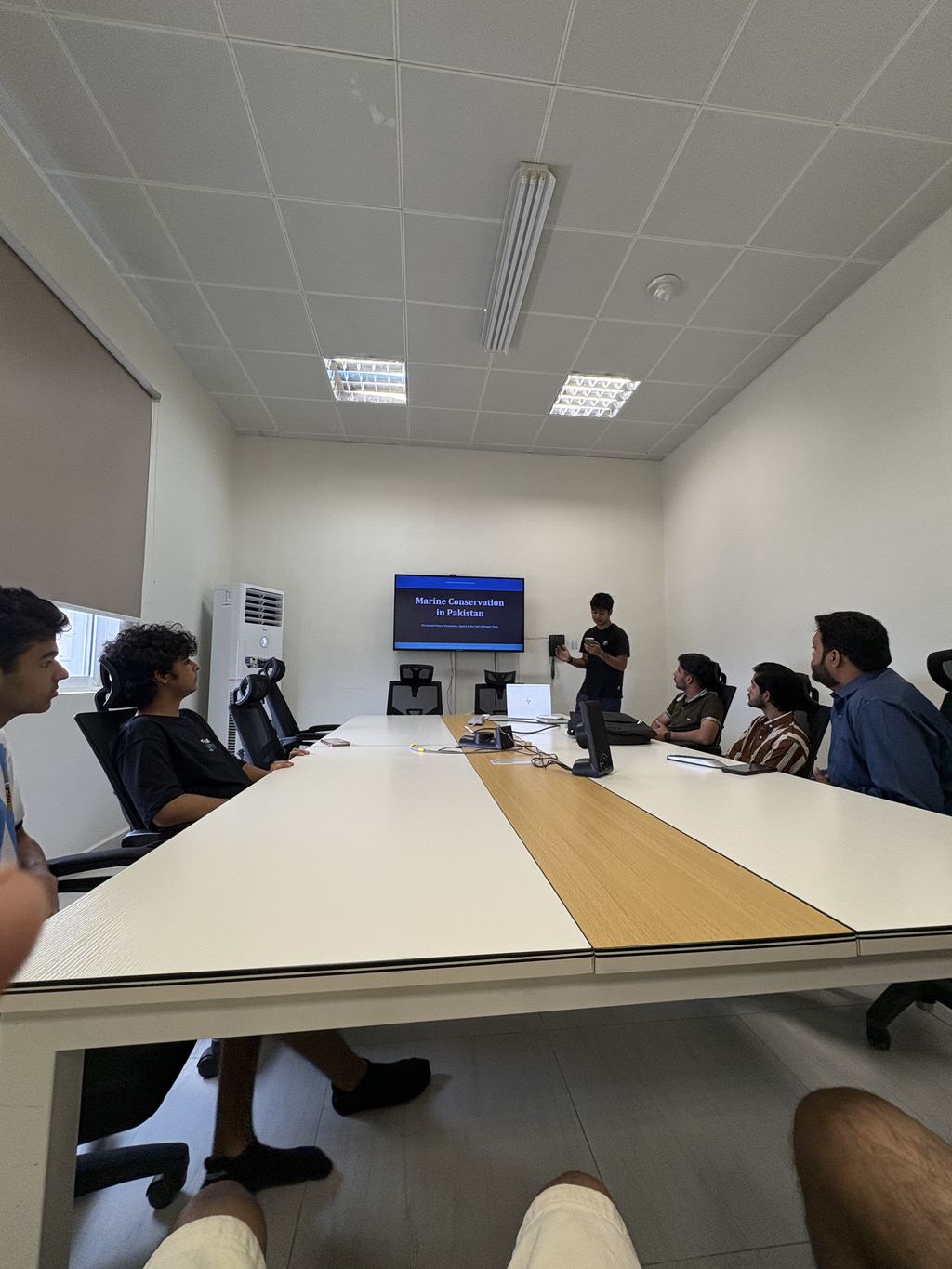
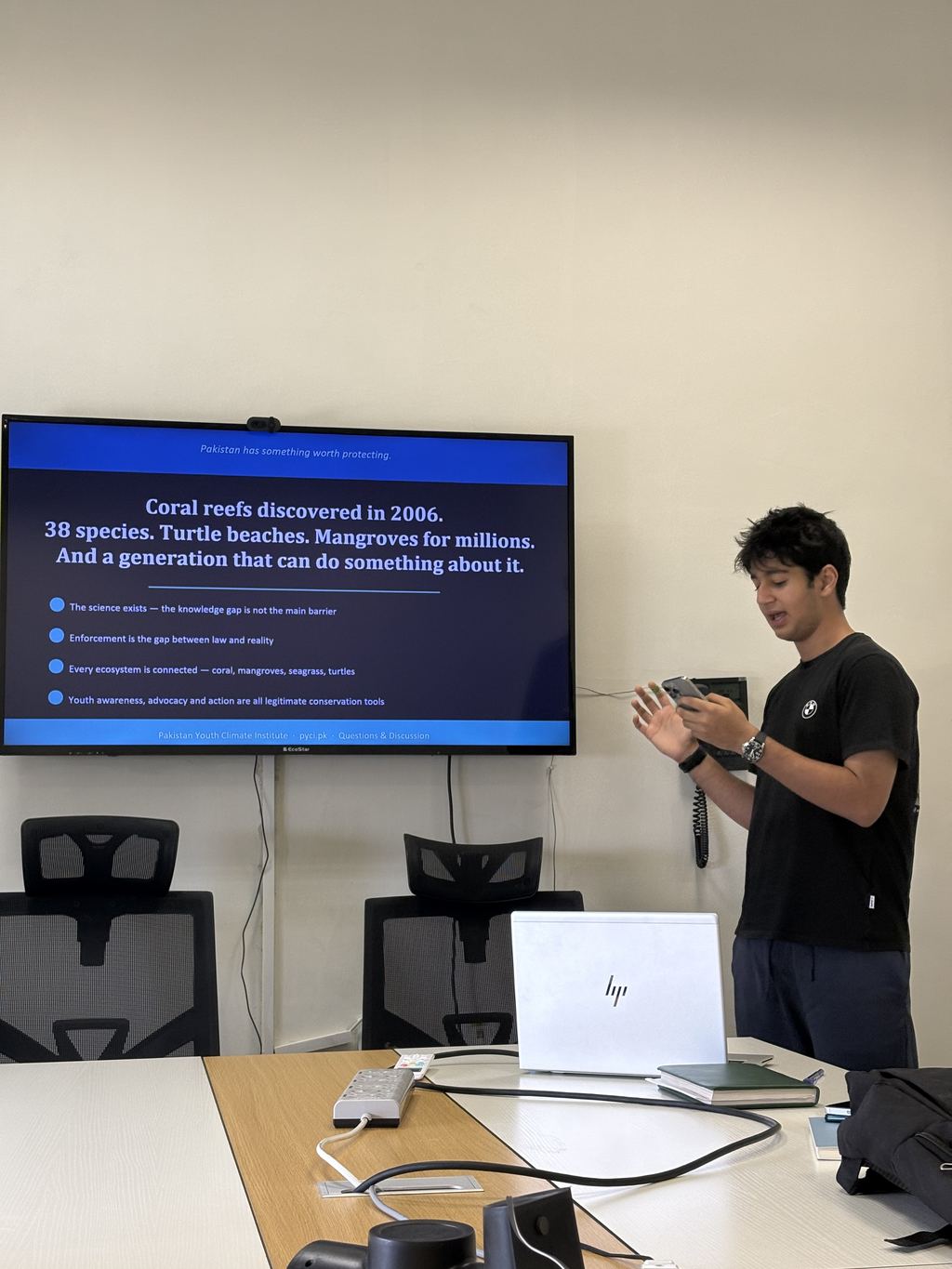
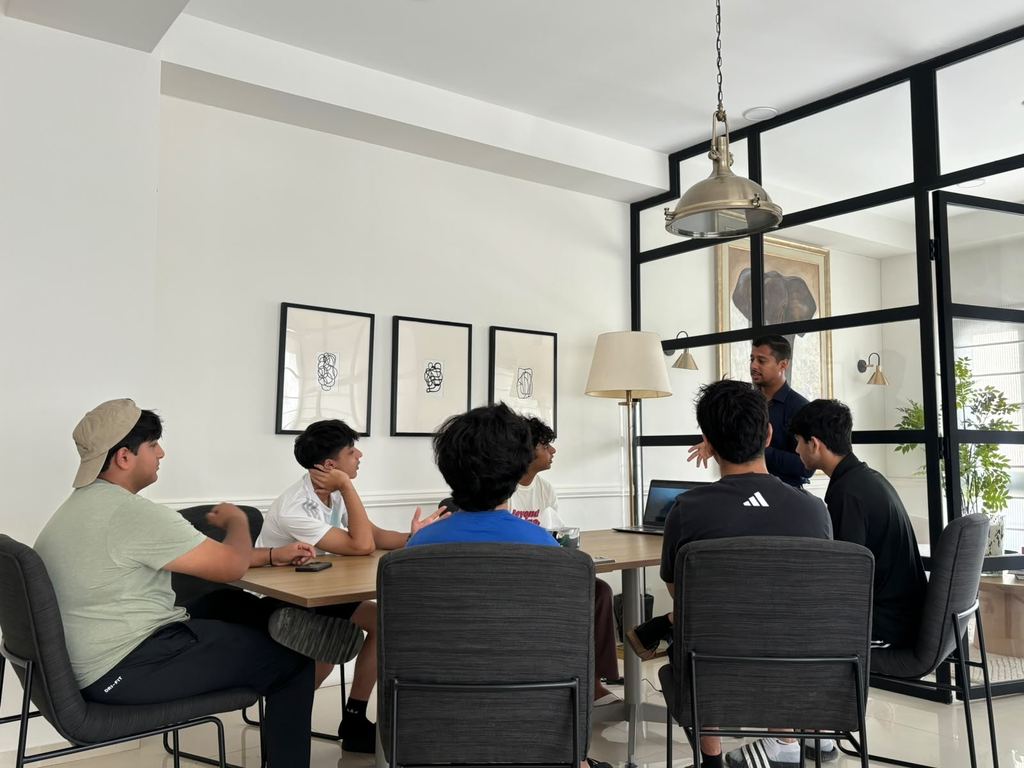
Back indoors, a session on marine conservation in Pakistan covered mangroves, coral reefs, turtle beaches and marine protected areas, and asked one question: where do young people come in?
03 · Learning from Experts
Who taught us
Two sessions with people who work on these problems every day, one in person and one live from the Manta Trust.
-
Marine Conservation Pakistan
Ghost nets, up close
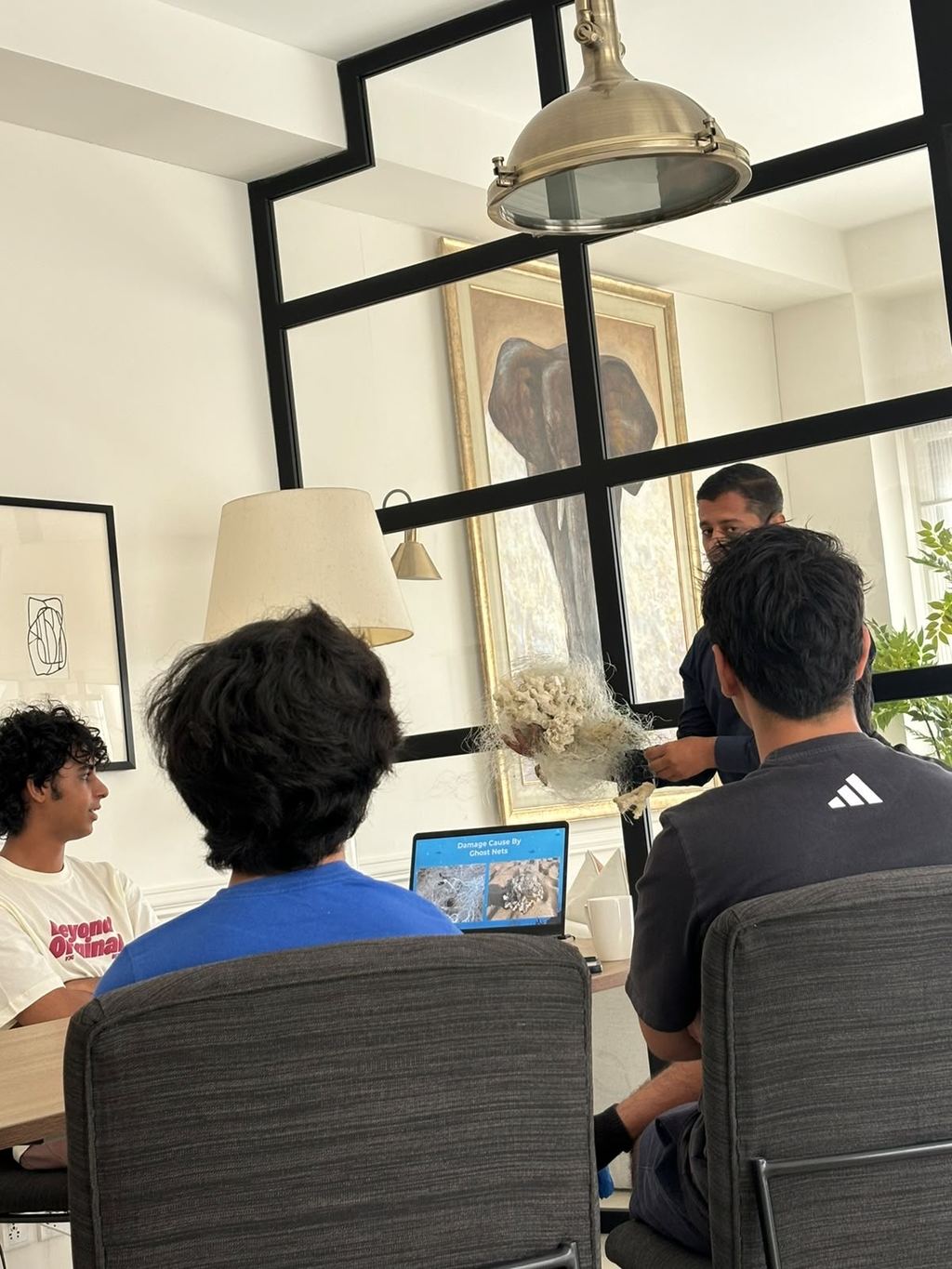
Shabib Asghar, Director of Marine Conservation Pakistan, took students through ghost nets: fishing nets lost or dumped at sea that keep trapping marine life long after they are gone.
He brought a real one, still tangled with coral, so students could see the damage for themselves.
-
The Manta Trust
Manta rays, live from the Manta Trust
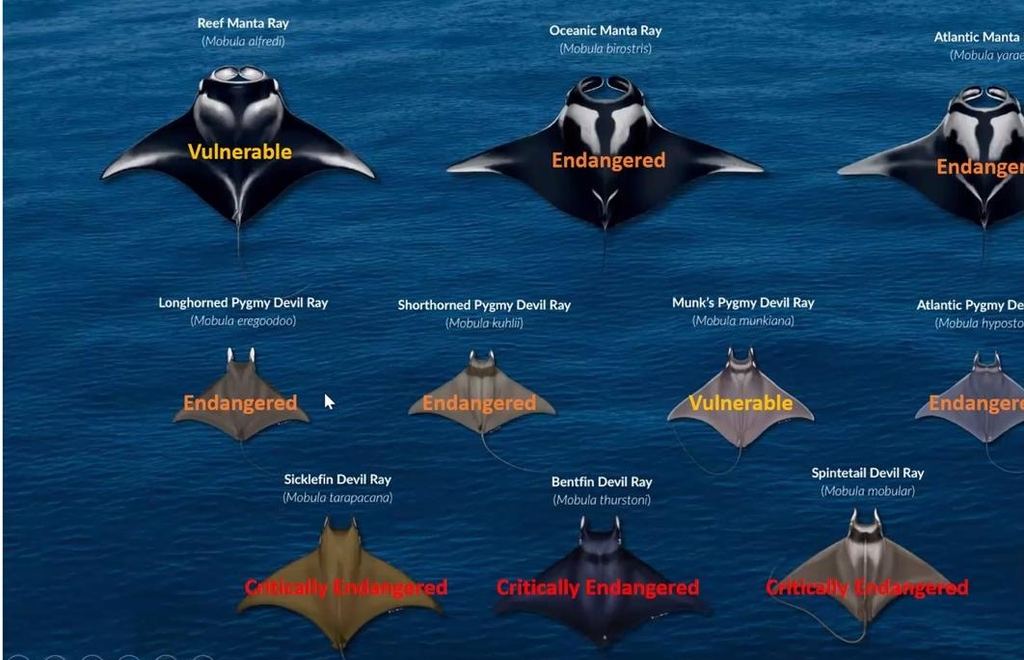
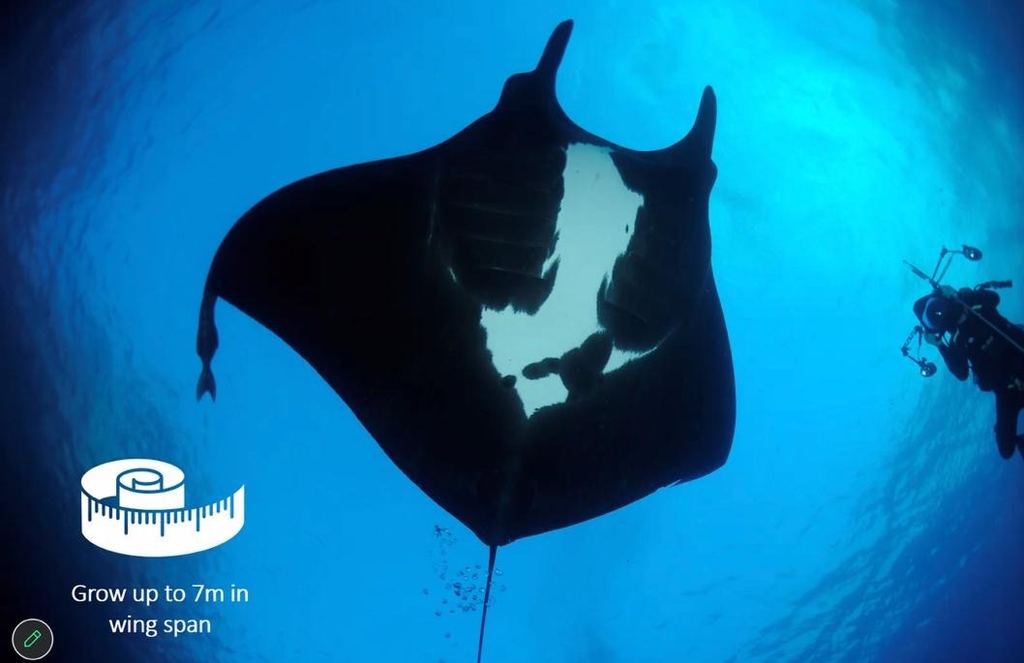
Jennifer Spacagna from the Manta Trust joined online to introduce manta and devil rays: animals that can grow up to 7 metres across.
She walked students through how threatened each species is, with several listed as endangered and some as critically endangered.
04 · Gallery
Moments from the expedition
05 · Thank You
Thank you, Zephyr Power.
To the Zephyr Power team, for hosting our first cohort and opening up the Zephyr Wind Power Plant to our students.
06 · What's Next
Winter Cohort 2026
Applications open · Deadline November 21
Eight live sessions with top scientists, your own climate project, then snorkelling or scuba at Charna Island and a night camping at Bhit Khori. 15 places, ages 14 to 18.